 I must say this session was real fun. The subject was about feminisation of PR and diversity issues. To begin with, the course tutor, Michaela O'brien asked students to think about what makes a man and a woman.
It was interesting to hear classmates name characteristics attributed to Masculine such as: leader, ego, dominant, independent, objective, hunter and assrtive. Some of those associated with feminine according to my peers include: emotional, sensitive, tender, soft, creative and adoptable.
The aim behind this was to show how society associates some of these characteristics with different sexes. After deliberations, students realised that some of these characteristics could apply to both female and male. And that stereotypes were very strong, just how peope look at others and perceive them differently.
How could some of these be applied in the PR profession. More of these was deliberated at length during a heated debate which I was taking part in. The motion of the day was "Women will always work in the Public relations industry but will never run it". I was on the opposing side. Firstly, I would like to say I found this statement not to be correct as we already have women running the industry even in the past when the profession was perceived to be male dominated.
I backed this with examples of women heading big PR agencies like Fleischman-Hillard, Edelman and Ogilvy PR Worldwide.
My colleagues pointed out some of the characteristics such as emotional, soft,...etc to argue that women tend not to have what it takes to be in leadership positions. Ooops! did this actually come from fellow female students!
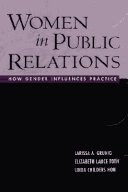
However, according to Larissa Grunig (2001), she has noted that women were perceived to be better communicators basically because they tend to build relationships, communicate with others, consider feelings of others and empathise with others. check out for more on this in my next post.
The aim behind this was to show how society associates some of these characteristics with different sexes. After deliberations, students realised that some of these characteristics could apply to both female and male. And that stereotypes were very strong, just how peope look at others and perceive them differently.
How could some of these be applied in the PR profession. More of these was deliberated at length during a heated debate which I was taking part in. The motion of the day was "Women will always work in the Public relations industry but will never run it". I was on the opposing side. Firstly, I would like to say I found this statement not to be correct as we already have women running the industry even in the past when the profession was perceived to be male dominated.
I backed this with examples of women heading big PR agencies like Fleischman-Hillard, Edelman and Ogilvy PR Worldwide.
My colleagues pointed out some of the characteristics such as emotional, soft,...etc to argue that women tend not to have what it takes to be in leadership positions. Ooops! did this actually come from fellow female students!
However, according to Larissa Grunig (2001), she has noted that women were perceived to be better communicators basically because they tend to build relationships, communicate with others, consider feelings of others and empathise with others. check out for more on this in my next post.


 Equal rights is normally an issue at every workplace. The PR industry is no exception. Although, I feel that it may be slightly different in this profession. I may be wrong, but looking at the salary gaps for men and women in public relations, this calls for a bone of contention. Apart from salaries, battles in maternity leave and the infamous glass ceiling have been an issue for some time also. However, this may have changed in some companies, but still continues to be an issue for debate.

 Historically, PR had been perceived as a male profession, but this is changing. This profession has undergone a significant demographic change in the last 20 years with a majority of the workforce being women (Lukovitz, 1989; Toth & Grunig, 1993).
.JPG)



 Posts
Posts


